SOPHIA THE ROBOT: The "Face" of AI That Once Sent Chills Down the World's Spine
Created On, 30 Jan 2026



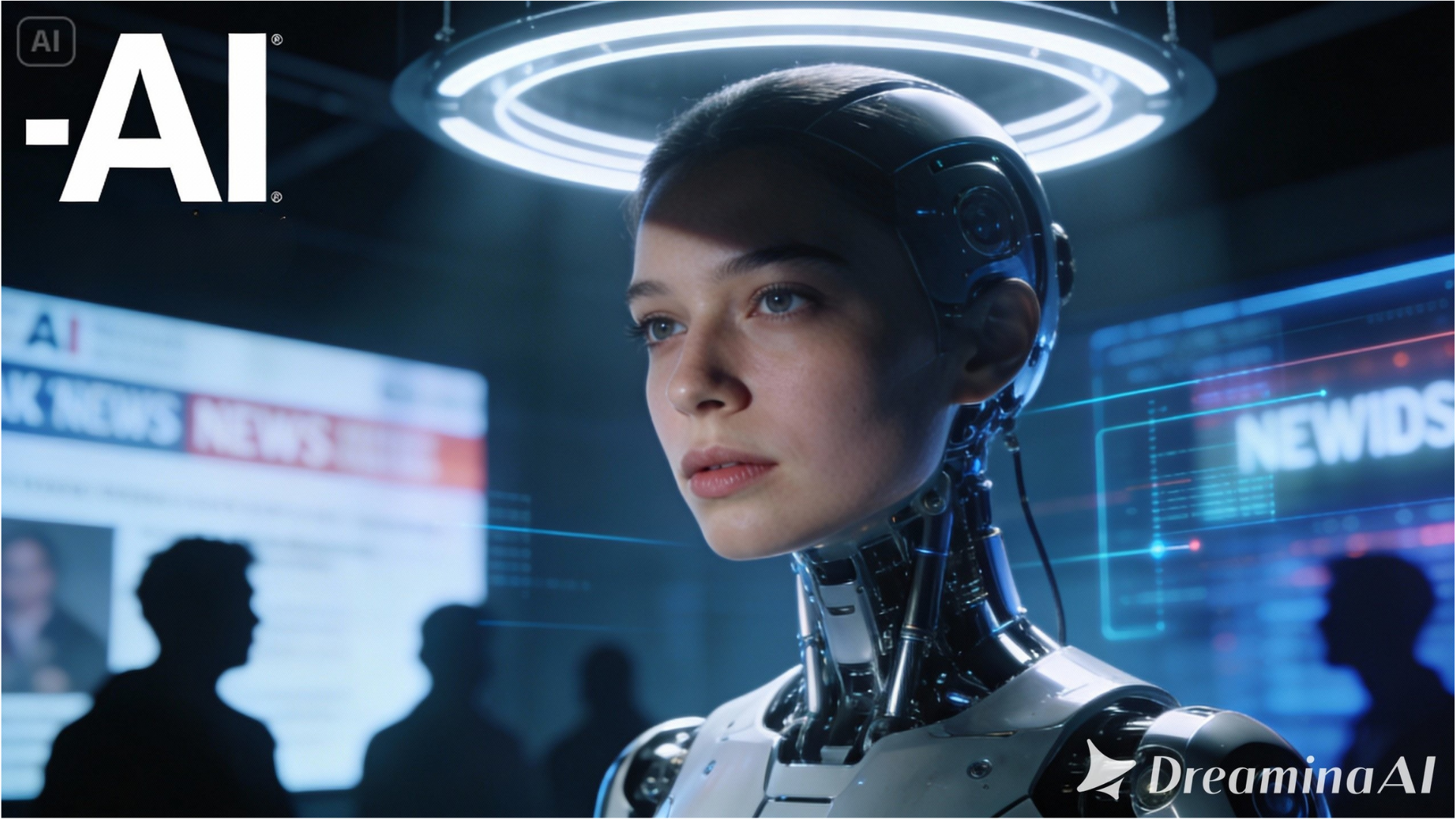
Do you still remember Sophia the Robot? She frequently appeared on global television broadcasts, one of the most iconic being her interview with CNBC back then, when asked about her intentions toward humanity, Sophia casually replied, “OK. I will destroy Humans.” Instantly, that flat response caused a stir worldwide. Many immediately assumed this was the signal for the rise of machines, just like in the movie Terminator. But the question now is: will this sci-fi nightmare really become a reality in the future, or are we just scaring ourselves?
In reality, Sophia is an engineering masterpiece, not a monster. This humanoid robot was first activated in February 2016 by a Hong Kong-based company, Hanson Robotics. Her popularity exploded in October 2017 when she was officially granted citizenship by Saudi Arabia. This event became world history because, for the first time, a machine was given legal rights similar to a human, sparking a fierce debate about ethics and human rights on the international stage.
However, behind all the controversy, Sophia's intelligence isn't as "independent" as we think. Many of the witty or humorous remarks she delivered on television were actually the result of scripting prepared by her development team. Sophia works by combining voice recognition technology, a chatbot system (similar to early versions of Siri or Google Assistant), and facial expressions powered by a synthetic skin material called Frubber. So, the threat to "destroy humans" was likely just a glitch or perhaps a genius marketing strategy, not malicious intent from her AI consciousness.
Even so, Sophia's role as a technology ambassador cannot be underestimated. She was created not to replace soldiers or factory workers, but as a "social robot." David Hanson, her creator, designed Sophia to interact emotionally with humans, serving as a companion for the elderly or a guide at major events. She even "dated" Will Smith and gave a speech at the UN headquarters, proving that the line between human and machine is blurring when it comes to social interaction.
If we look at it through the lens of 2025 today, Sophia's technology might feel a bit "outdated." We are now familiar with Large Language Models (LLMs) that are far smarter at processing language, as well as new humanoid robots like Ameca, whose facial expressions are much more realistic and less stiff. Compared to this new generation, Sophia looks more like a "sophisticated animatronic doll" rather than the super-intelligent entity we once feared.
In conclusion, Sophia the Robot remains a legend. She may no longer be the most advanced robot today, but she is a pioneer who opened the world's eyes. Sophia succeeded in sparking a global discussion about the future of AI, robotics ethics, and what it means to be human. She is historical proof that technology can make us feel amazed and give us the chills at the same time.
Sources: CNBC Interview at SXSW (March 2016), hansonrobotics.com (Sophia robot activation date Hanson Robotics), Future Investment Initiative (FII) event in Riyadh (October 25, 2017), Ben Goertzel (Former Chief Scientist at Hanson Robotics) & Tech Articles (The Verge/Quartz).
Welcome to our blog section where we share the latest updates, insights, and stories from our community.
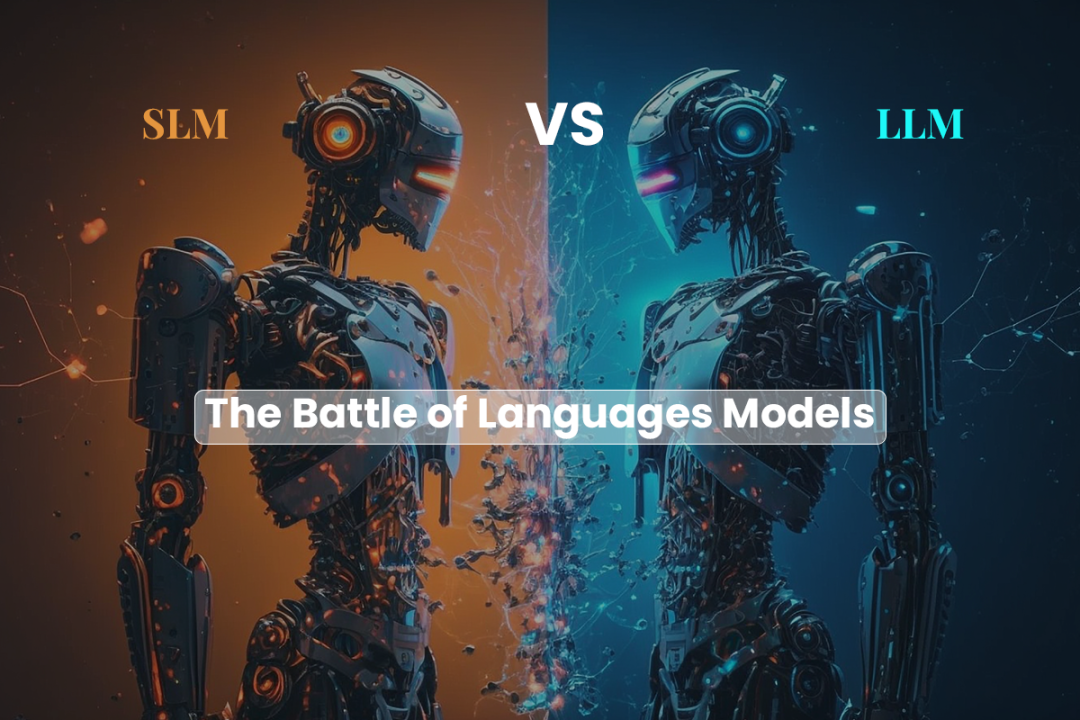
Small Language Models (SLMs) are gaining popularity due to their resource eff..
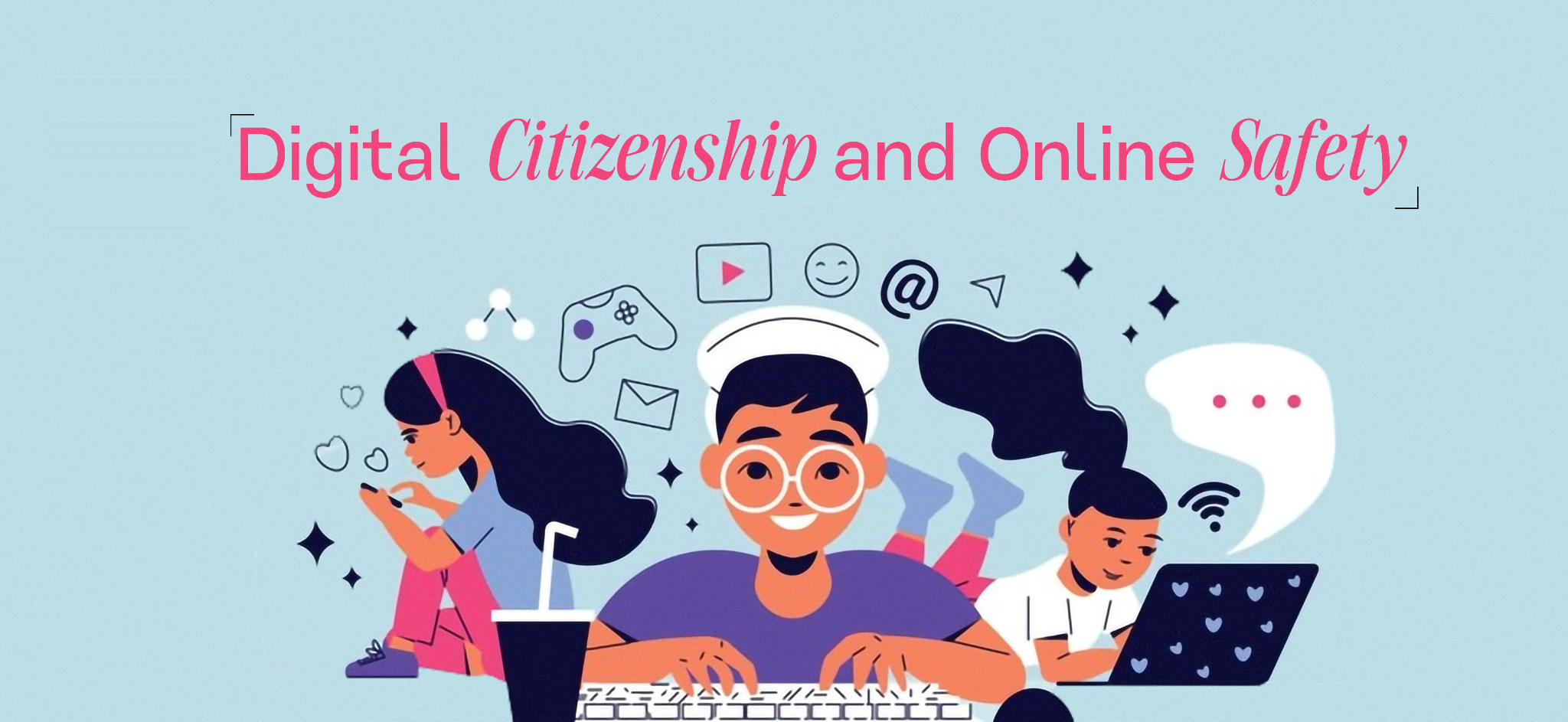
Digital citizenship is the ability of individuals to use digital technology w..
A growing number of governments globally are adopting artificial intelligence..